What to do in the event of an airport parking fine: Your rights
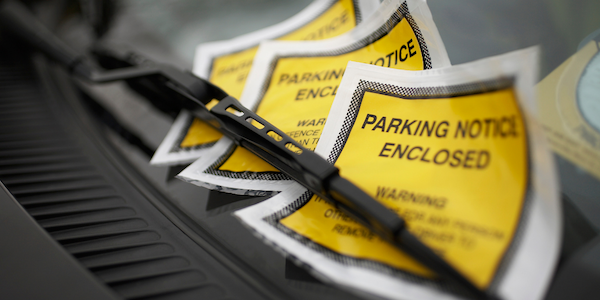
Getting an airport parking fine is never a nice surprise, and it isn’t always obvious whether you have to pay it, appeal it or challenge it with the airport or parking company.
The good news is that if you’ve pre-booked your airport parking, entered the correct details and followed the terms of your booking, you shouldn’t normally have much to worry about. Where drivers are more likely to get caught out is around airport drop-off and pick-up zones, restricted roads, overstays or missed payments.
Many UK airports now use automatic number plate recognition (ANPR), so you may not even stop at a barrier or payment machine. Instead, your registration can be recorded automatically and, at some airports, it’s up to you to remember to pay the charge online afterwards.
When could I get an airport parking fine?
There are several situations that could result in an airport parking fine or parking charge, including:
- using an airport drop-off zone without paying the required charge
- paying after the airport’s deadline
- staying longer than the permitted time
- stopping on a restricted airport road or red route
- using a drop-off area to pick someone up where this isn’t allowed
- breaking the terms and conditions of a private airport car park
- entering the wrong vehicle registration when booking or paying
Drop-off charges can be particularly easy to miss because the system varies between airports.
For example, Heathrow currently charges £7 each time a vehicle enters one of its terminal drop-off zones. There are no payment barriers and, if you haven’t paid in advance, payment must be made by midnight the following day. If the charge isn’t paid, Heathrow says an £80 Parking Charge can be issued, reduced to £40 if paid within 14 days.
Other airports also use barrier-free ANPR systems, so it’s always worth checking the airport’s latest drop-off and pick-up rules before you travel rather than assuming they’ll be the same as your last visit.
Are airport drop-off charges legal?
Yes, airports can charge motorists to use designated drop-off areas. However, exactly how a charge is operated and enforced can vary depending on the airport, the land involved and the rules that apply there.
This is why it’s important to check the signs and payment terms at the airport you’re using. Some airports also provide a free drop-off option further away from the terminal, so if you don’t want to pay the terminal drop-off charge, it’s worth checking what alternatives are available before your journey.
PARKING Charge Notices and PENALTY Charge Notices – they’re different!
This is where airport parking fines can get confusing, because you’ll often see the initials PCN used for different types of notices.
A Penalty Charge Notice is generally issued using statutory powers, for example by a local authority.
A Parking Charge Notice from a private parking company is different. It is normally a civil charge relating to the terms and conditions of parking on private land.
That doesn’t mean a private Parking Charge Notice can simply be ignored.
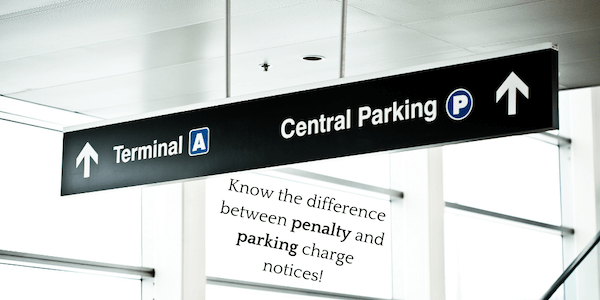
You may have seen older advice online claiming that private parking companies can only charge you for the money they have actually lost. That is no longer a safe assumption.
In the 2015 Supreme Court case ParkingEye Ltd v Beavis, an £85 private parking charge was upheld. The case showed that a private parking charge isn’t automatically unenforceable simply because it is higher than the operator’s direct financial loss.
Do you have to pay airport parking fines?
It depends on what kind of notice you’ve received and whether it has been issued correctly.
You shouldn’t assume that every airport parking fine or private parking charge is automatically valid, but you also shouldn’t simply ignore it.
If you believe the charge is correct, check the payment deadline and whether a reduced amount is available for paying promptly.
If you think the charge has been issued incorrectly, check the notice carefully and use the appropriate appeals process. Depending on the circumstances, you may have grounds to challenge an airport parking charge if, for example, you had already paid, the vehicle details are wrong or there is another problem with the notice.
Are airport parking fines different from other private parking charges?
They can be.
Some airport roads and parking areas are covered by airport byelaws or other statutory controls. That can make airport parking charges more complicated than those issued in an ordinary private car park.
The exact position can depend on where your vehicle was stopped or parked, who issued the notice and what rules apply to that particular piece of land.
So if you receive an airport parking ticket or fine, check the notice carefully rather than assuming the same rules apply at every airport.
Should I ignore a private airport parking fine?
No. If you believe a private parking charge has been issued unfairly or by mistake, it’s better to challenge it through the proper appeals process than simply ignore the correspondence.
Before doing anything, check:
- why the parking charge was issued
- the date, time and location
- any photographs or ANPR evidence
- the payment deadline
- whether a reduced payment is available
- how and when you can appeal
Keep any evidence that could support your case. This might include your airport parking booking confirmation, payment receipt, screenshots, photographs of signs or proof that you paid an airport drop-off charge.
How do I appeal an airport parking fine?
If you’ve received a private Parking Charge Notice and think it’s wrong, the first step will normally be to appeal directly to the parking operator that issued it. The notice should explain how to do this and give you the relevant deadline.
If your appeal is rejected, you may then be able to take it to an independent appeals service.
- If the operator is a member of the British Parking Association (BPA), the second-stage appeals service is POPLA – Parking on Private Land Appeals.
- If the operator is a member of the International Parking Community (IPC), the second-stage appeals service is the Independent Appeals Service (IAS).
Appealing with POPLA

If a BPA-approved parking operator rejects your first appeal, you should receive a 10-digit POPLA verification code.
You currently have 28 days from the date the operator rejects your appeal to submit your case to POPLA.
1. Get your evidence together
Include anything that helps explain what happened, such as booking confirmations, receipts, photographs, payment screenshots or other relevant documents.
POPLA advises motorists to submit all of their evidence when making the appeal, as further evidence cannot normally be added afterwards.
2. Explain what happened clearly
Keep your appeal factual and specific to your situation. Explain why you believe the Parking Charge Notice was wrongly issued and include the evidence that supports your case.
3. Don’t miss the deadline
Parking appeals are time-sensitive, so check the dates on both the original Parking Charge Notice and the operator’s rejection letter.
4. Keep copies of everything
Keep copies of your original parking notice, your appeal, booking details, receipts and any other correspondence in case you need them later.
What about a ParkingEye appeal?
If your airport parking charge has been issued by ParkingEye or another private parking operator, don’t assume that the company name changes the basic process.
Start by reading the notice carefully and follow the operator’s instructions for making an appeal. If the operator belongs to the BPA and rejects your appeal, you may then be given the option of appealing to POPLA.
Again, the individual circumstances matter, so keep any evidence showing why you believe the charge is incorrect.
What’s changing with private parking in 2026?
The Government has introduced a new statutory Private Parking Code of Practice for England, Scotland and Wales, designed to create more consistent standards across the private parking industry.
The Code covers areas such as signage, parking-charge levels, grace periods, appeals and debt recovery, with the aim of making the rules clearer and more consistent for motorists.
Airport parking can be more complicated because some airport land is covered by separate byelaws or other statutory controls. The rules applying to an individual airport parking charge can therefore still depend on where and how the notice was issued.
For the latest information on when the Code applies and how it is being implemented, check the current guidance on GOV.UK.
How can I avoid an airport parking fine?
It’s much easier to avoid an airport parking charge than to appeal one afterwards. A few simple checks before you travel can help:
- Check the airport’s drop-off and pick-up rules. Don’t assume they’ll be the same as the last time you travelled.
- Check how and when you need to pay. Some airport drop-off zones use ANPR and require payment online afterwards.
- Look for free alternatives. Some airports offer free drop-off or waiting areas further away from the terminal.
- Double-check your number plate. A small mistake can mean your payment doesn’t match the vehicle recorded by ANPR.
- Don’t stop on restricted airport roads. If you’re waiting for somebody whose flight hasn’t landed yet, use an official waiting or parking area instead.
- Keep booking and payment confirmations. They’ll be useful if there is ever a problem with your booking or payment.
Airport parking charges, drop-off fees and individual airport rules can change, so always check the latest information from the airport or parking operator before you travel.